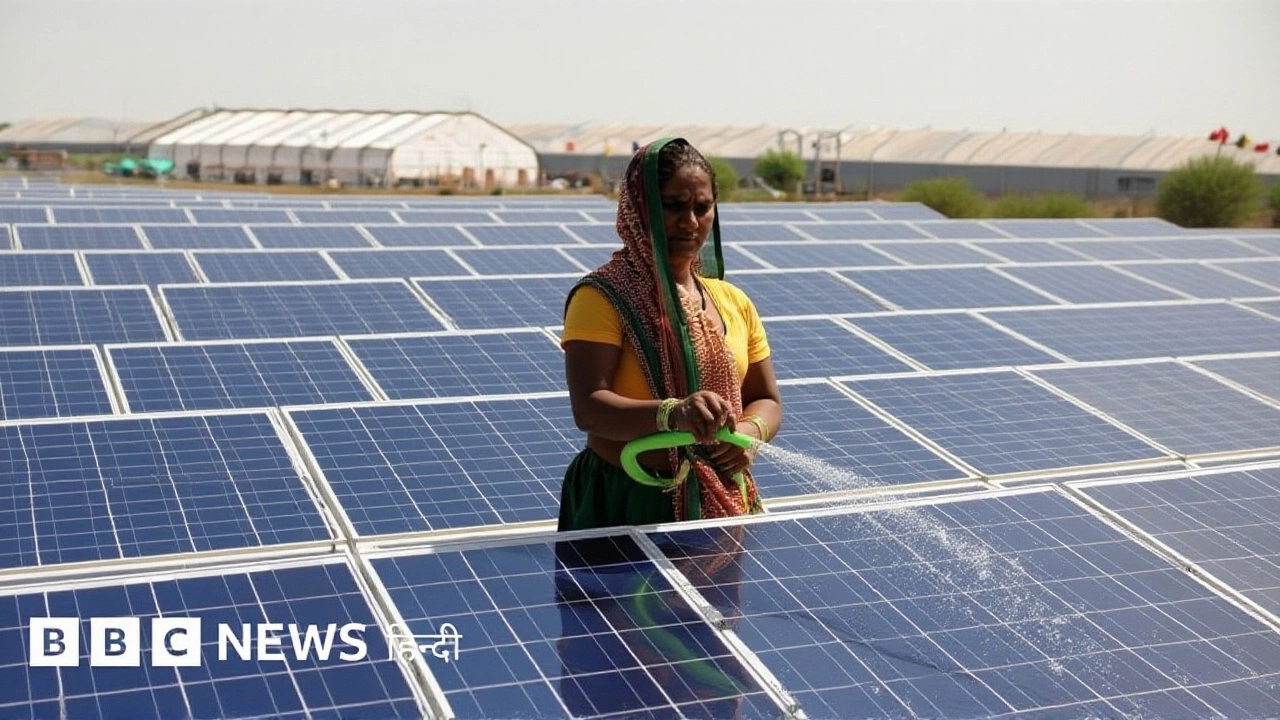
When The Press Information Bureau released its latest figures in October 2025, the numbers told a story of rapid transformation. India’s installed solar capacity has skyrocketed from a modest 3 gigawatts (GW) in 2014 to an impressive 129.92 GW today. But here’s the real headline: non-fossil fuel sources now account for more than 50% of the country’s total installed electricity capacity of roughly 500 GW.
This isn't just incremental growth. It's a structural shift. For the first time, clean energy dominates the national grid mix. The twist? This milestone wasn't reached by accident. It was driven by aggressive policy pushes, massive infrastructure projects, and a strategic pivot toward domestic manufacturing.
A Historic Shift in Energy Mix
Let’s look at the scale. By October 2025, non-fossil fuel-based power capacity exceeded 259 GW. That figure alone is staggering, but the context makes it even more significant. In the fiscal year 2025-26 alone, India added a record-breaking 45 GW of new solar capacity. To put that in perspective, that single year’s addition dwarfs what many entire countries generate annually.
Wind energy didn’t sit idle either. The same period saw a record annual addition of 6.05 GW of wind capacity, pushing the total installed wind power to over 56 GW. This surge propelled India to the fourth position globally in wind energy installations. Interestingly, while solar takes the spotlight, wind remains a crucial partner in this low-carbon transition.
The data reveals a clear trend: solar has overtaken hydro, biomass, and wind to become the largest contributor to India’s renewable portfolio. Over the past decade, solar installations have effectively doubled the country’s total installed electricity capacity. From 3 GW to nearly 130 GW in just over ten years represents a more than 40-fold increase. That kind of velocity is rare in heavy infrastructure sectors.
Policy Engines Driving Growth
Behind these numbers are specific policy mechanisms designed to accelerate adoption. Two initiatives stand out as primary drivers.
First, there’s the National Solar Mission, launched back in January 2010. Often described as a flagship program, it laid the groundwork for large-scale solar deployment across the nation. It set the stage for everything that followed, establishing targets and creating regulatory frameworks that made investment viable.
Then came the more recent push: the PM Surya Ghar Muft Bijli Yojana. Approved by the Cabinet on February 13, 2024, this mission aims to install rooftop solar systems on 1 crore (10 million) homes. The goal? Provide up to 300 units of free electricity per month to each beneficiary household. With a total outlay of ₹75,021 crore, it’s one of the most ambitious residential energy programs ever attempted.
As of December 2025, the scheme has already seen traction. Rooftop solar plants have been installed on 2.39 million homes, generating 7 GW of clean energy. The government has disbursed ₹13,464.6 crore in subsidies so far. While still early days compared to the 10-million-home target, the trajectory suggests steady progress.
Manufacturing and Infrastructure Boom
Growth isn’t just about installation—it’s also about production. The Ministry of New and Renewable Energy (MNRE) has implemented a Production Linked Incentive (PLI) scheme focused on high-efficiency solar PV modules. The objective is straightforward: build gigawatt-scale manufacturing capacity domestically. Why does this matter? Because reducing reliance on imports strengthens supply chains and lowers long-term costs.
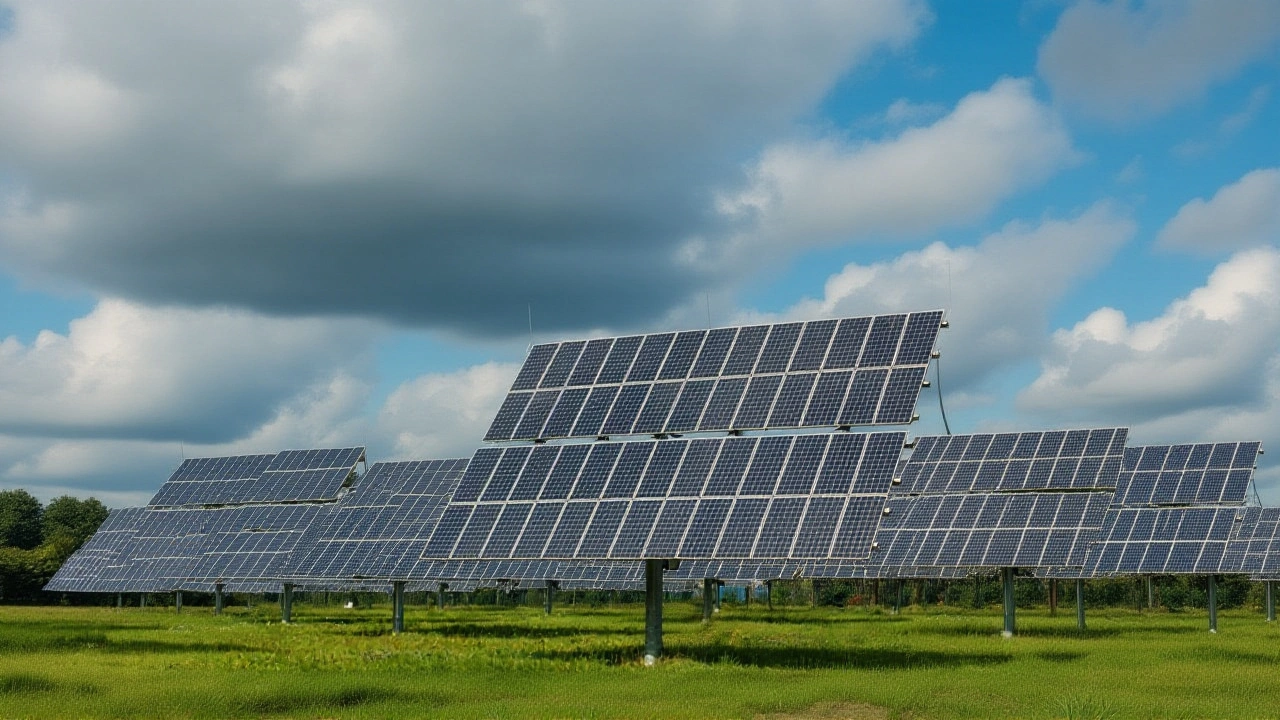
Infrastructure development has kept pace with policy. Approximately 42 solar parks have been established nationwide to provide land for developers. Among them, the Bhadla Solar Park in Rajasthan stands out. Spanning 14,000 acres near Jodhpur, it boasts an installed capacity of 2,245 MW—making it one of the largest solar parks in the world by area and output.
Other major facilities include the Pavagada Solar Park in Karnataka and the Kurnool Ultra Mega Solar Park in Andhra Pradesh. These mega-projects demonstrate how regional advantages—like abundant sunlight—are being leveraged systematically. Rajasthan and Gujarat receive particularly high solar radiation levels, averaging 4–7 kWh/m²/day across 250–300 sunny days annually. Nature, in other words, is working in India’s favor.
Challenges Amidst Success
Here’s the thing though: success doesn’t mean problems disappear. Despite the impressive stats, solar energy remains capital-intensive. As noted in various analyses, “solar energy continues to be expensive and requires heavy investment.” High upfront costs remain a barrier for widespread adoption, especially among lower-income households.
Moreover, maintaining such rapid expansion demands consistent funding, skilled labor, and robust grid integration strategies. Storage solutions need scaling up to handle intermittent generation. Land acquisition issues persist in some regions. And while manufacturing capacity grows, quality control and efficiency standards must keep improving.
Yet, despite these hurdles, the momentum is undeniable. Between 2010 and 2020, operational solar capacity grew 233 times—from 161 MW to 37,627 MW. By March 2024, total solar capacity surpassed 70 GW. Now, standing at nearly 130 GW, India is well-positioned to meet its long-term target of 280 GW by 2030.
What Lies Ahead?
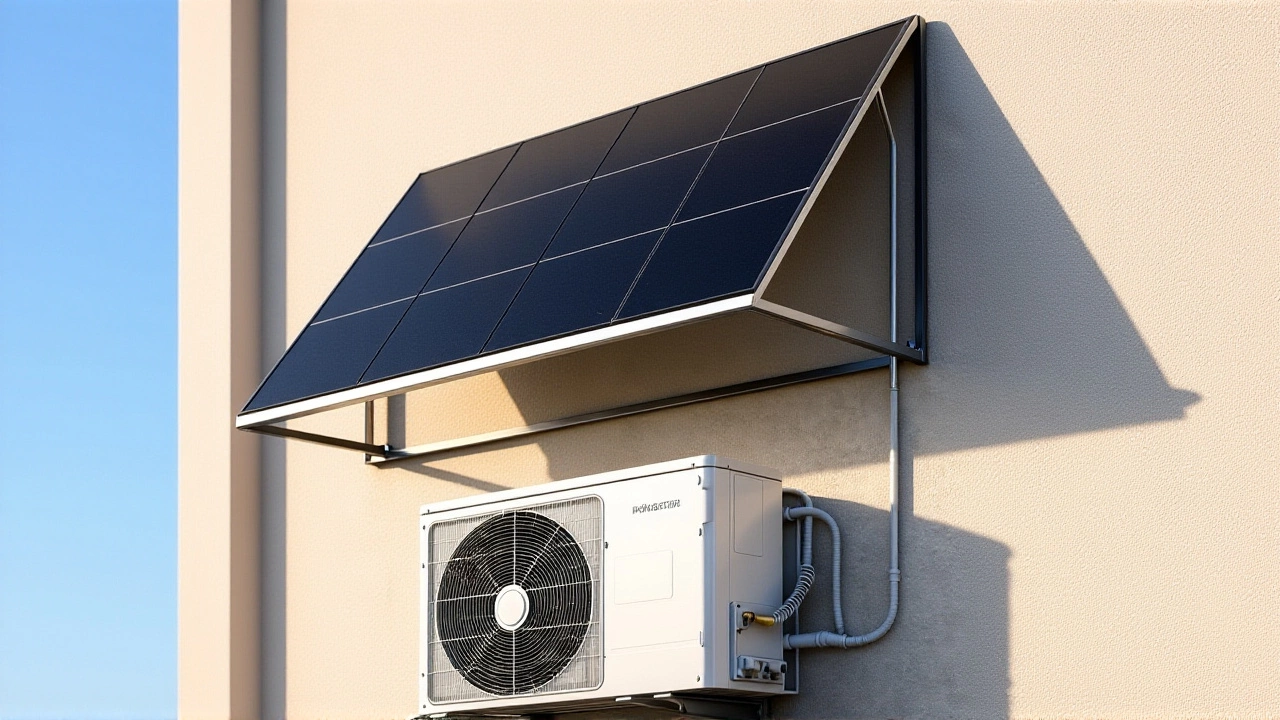
The next phase will focus on deepening penetration beyond utility-scale projects. Residential rooftops hold untapped potential. Commercial buildings can reduce operational costs through self-generation. Industrial zones could adopt hybrid models combining solar with storage.
Experts suggest monitoring three key areas moving forward: implementation speed of the PM Surya Ghar Yojana, effectiveness of PLI incentives in boosting domestic module quality, and advancements in battery storage technology. Each plays a critical role in sustaining growth without compromising affordability or reliability.
Frequently Asked Questions
How much has India's solar capacity grown since 2014?
India's installed solar capacity increased from just 3 GW in 2014 to 129.92 GW by October 2025—a more than 40-fold rise. This exponential growth reflects sustained policy support, technological improvements, and rising demand for clean energy across residential, commercial, and industrial sectors.
What is the PM Surya Ghar Muft Bijli Yojana?
Launched on February 13, 2024, the PM Surya Ghar Muft Bijli Yojana aims to install rooftop solar systems on 10 million homes. Beneficiaries receive up to 300 units of free electricity monthly. With a budget of ₹75,021 crore, the scheme seeks to democratize access to clean energy while reducing household bills and carbon footprints.
Which states lead in solar energy production?
Rajasthan and Gujarat lead due to superior solar irradiance and favorable geography. Rajasthan hosts the Bhadla Solar Park, one of the world’s largest. Other active states include Karnataka, Andhra Pradesh, Tamil Nadu, and Madhya Pradesh, where large-scale solar parks continue expanding rapidly under central and state government initiatives.
Is solar energy truly cost-effective for Indian households?
While initial setup costs remain high, subsidies like those under PM Surya Ghar significantly reduce financial burden. Long-term savings on electricity bills often offset installation expenses within five to seven years. However, affordability varies based on location, roof size, and system configuration, making targeted outreach essential for equitable access.
What is India’s solar capacity target for 2030?
India aims to achieve 280 GW of solar capacity by 2030. Currently at nearly 130 GW, reaching this goal requires adding approximately 15 GW annually. Achieving this hinges on continued policy stability, enhanced manufacturing capabilities, improved grid infrastructure, and broader public participation through schemes promoting decentralized generation.