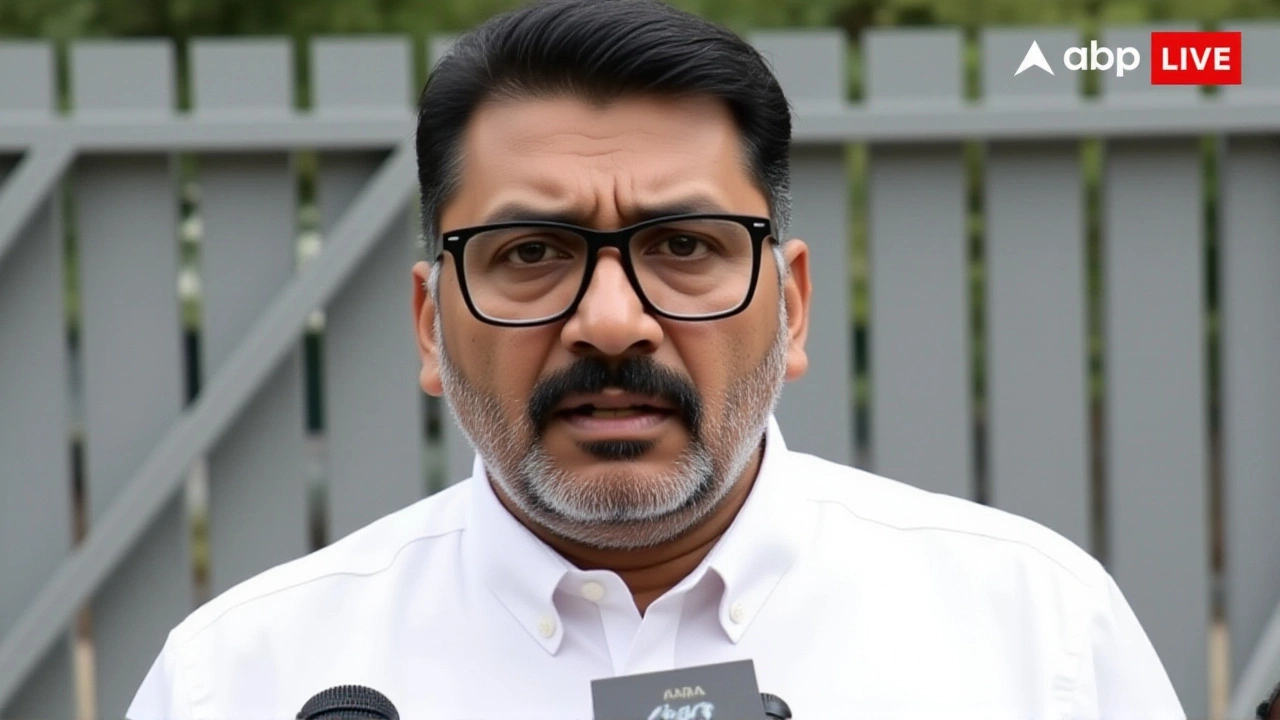
When Nitesh Rane, Minister in the Maharashtra government, publicly labeled madrasas as "dens of terrorists," he didn't just stir the pot—he set it on fire. The remark, made during a public address, claimed that these institutions offer no "real education" and serve primarily as recruitment grounds for extremism. Within hours, the backlash was palpable, crossing state lines to ignite a fierce political debate in Uttar Pradesh.
Here’s the thing: comments like this don’t exist in a vacuum. They land with the weight of history, religion, and regional politics. And when a senior minister from the ruling party makes such a sweeping generalization, the reaction isn’t just noise—it’s a signal of deeper societal fractures.
The Statement That Broke the Internet
Rane’s words were blunt. He stated, "Madrasas are becoming dens of terrorism. They have nothing to do with education." In another clip, which circulated widely on digital platforms, he added, "These are places where terrorists are being prepared." The phrasing was deliberate and harsh, stripping away nuance in favor of a stark, polarizing narrative.
The video clips, tagged with hashtags like #MadarsaControversy and #BJPMaharashtra, quickly went viral. One short clip alone garnered over 2,300 views within days, uploaded roughly two months ago but still trending in news cycles. The repetition of phrases like "terrorists’ den" across multiple platforms suggests a coordinated messaging strategy—or at least a very confident one.
But wait. Did anyone check the facts? Or was this purely political theater?
Samajwadi Party Fires Back
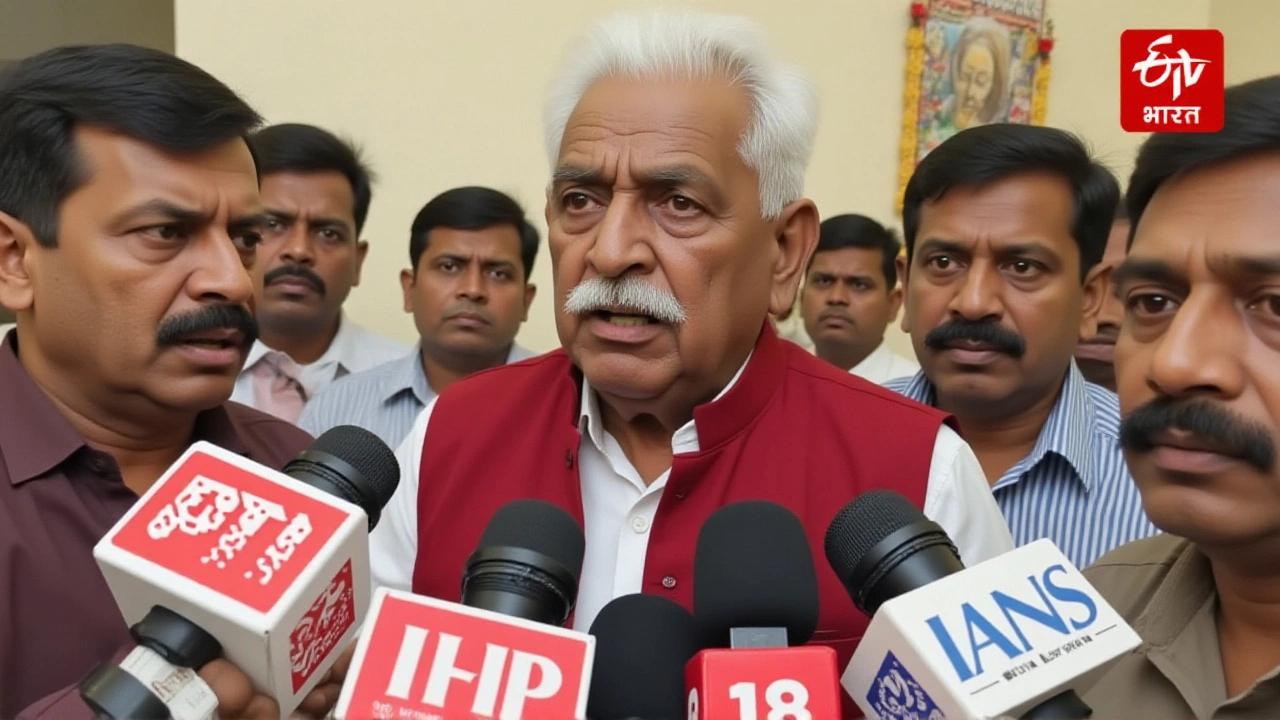
In Uttar Pradesh, where communal harmony is often a tightrope walk, the response was swift. Ashutosh Varma, Spokesperson for the Samajwadi Party, dismissed Rane’s comments as "nonsense" (translated from the Hindi term "aaloo-faltoo"). Varma’s rebuttal wasn’t just a dismissal; it was a defense of an entire educational ecosystem that serves millions of Muslim students across India.
"This statement is baseless and divisive," Varma said, emphasizing that madrasas provide essential religious and moral education alongside basic literacy. His criticism highlighted the danger of stereotyping entire communities based on isolated incidents or unverified claims.
Interestingly, the SP’s response wasn’t isolated. Other opposition leaders echoed similar sentiments, warning against rhetoric that could fuel communal tensions. The twist is that while Rane represents the BJP’s hardline stance on security issues, his opponents see this as an attempt to politicize faith-based education.
Why This Matters Beyond Politics
Let’s be clear: this isn’t just about who said what. It’s about trust. For years, madrasas have operated under scrutiny, facing questions about curriculum modernization and integration into mainstream education. But labeling them as terrorist hubs crosses a line from policy critique to social stigmatization.
Consider the numbers. According to government data, there are over 15,000 registered madrasas in India, educating more than 1 million students annually. While some may lack formal accreditation, many have begun incorporating subjects like English, mathematics, and science into their syllabi. To ignore this progress is to ignore reality.
Moreover, the timing is significant. With elections looming in several states, including Maharashtra and Uttar Pradesh, every word carries electoral weight. Critics argue that Rane’s remarks were calculated to appeal to a specific voter base, even if it meant inflaming existing divisions.
Expert Analysis: Is There Substance Behind the Noise?
Sociologist Dr. Priya Sharma, who has studied religious education systems in India, notes, "While there are legitimate concerns about outdated curricula in some madrasas, blanket statements like these undermine constructive dialogue. We need reform, not demonization."
Security experts also weigh in cautiously. Former intelligence officer Rajesh Mehta points out, "Terrorism is complex. Blaming an entire institution type oversimplifies the issue. Real threats come from radical networks, not classrooms."
So, what’s next? Will the government issue a clarification? Will madrasa owners demand accountability? Only time will tell. But one thing is certain: this controversy won’t fade quietly. It’s already reshaping how we talk about education, identity, and power in India.
Frequently Asked Questions
What exactly did Nitesh Rane say about madrasas?
Nitesh Rane claimed that madrasas are "dens of terrorists" and argued they provide no "real education." He suggested these institutions are increasingly involved in preparing individuals for extremist activities, sparking widespread controversy.
How did the Samajwadi Party respond?
Ashutosh Varma, spokesperson for the Samajwadi Party, strongly criticized Rane’s remarks, calling them "nonsense." He defended madrasas as vital centers of religious and moral education, urging against divisive rhetoric that harms communal harmony.
Are all madrasas linked to terrorism?
No. Security experts emphasize that terrorism stems from radical networks, not educational institutions. Most madrasas focus on religious studies and basic literacy, with many now integrating secular subjects to meet modern standards.
Why is this controversy significant right now?
With upcoming elections in Maharashtra and Uttar Pradesh, political statements carry heightened importance. Rane’s comments are seen by critics as an attempt to mobilize voters through fear, potentially deepening societal divides instead of fostering unity.
What reforms are needed in madrasa education?
Experts suggest updating curricula to include English, science, and civic education while preserving religious instruction. Government support for teacher training and infrastructure can help bridge gaps without compromising cultural values.