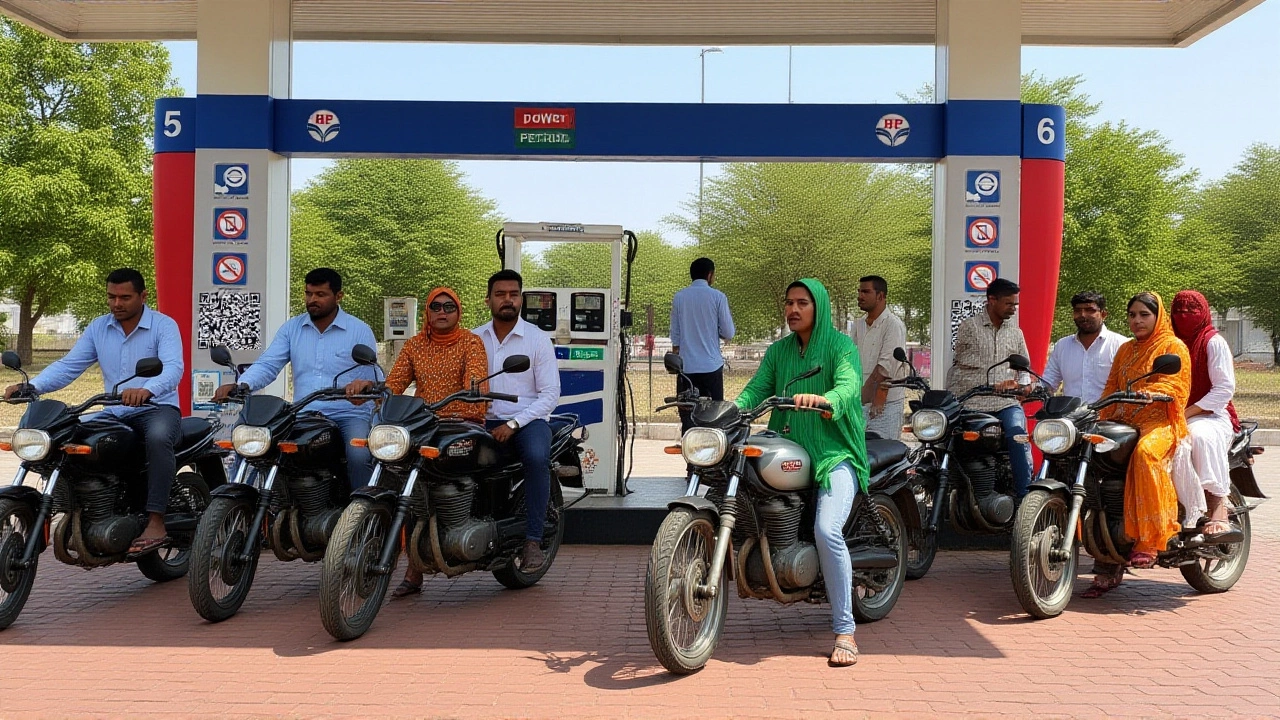
When Indian motorists pulled up to the pump on Monday morning, they weren't just facing a minor inconvenience—they were staring down another significant price jump. For the fourth time in just ten days, public sector oil marketing companies have hiked fuel rates, pushing petrol and diesel costs to dizzying new heights. This isn't a one-off glitch; it's a relentless upward spiral that has added roughly ₹7.35 per liter to petrol and ₹7.82 per liter to diesel since mid-May.
The twist is that despite these consecutive hikes, the pain isn't over yet. Industry experts warn that global crude prices remain stubbornly high, and the weakening Indian rupee against the US dollar continues to squeeze import margins. Here’s the thing: this rapid-fire sequence of increases marks a stark departure from the stability many consumers had grown accustomed to, signaling a turbulent period ahead for household budgets and logistics costs alike.
A Relentless Run of Price Hikes
Let’s look at the timeline, because the speed of these changes is what’s truly staggering. It started on May 15, when prices ticked up by about ₹3 per liter for both fuels. Then came May 19, with a smaller but still painful bump of 90 paise per liter. By May 23, petrol rose by 87 paise and diesel by 91 paise. But the real shocker arrived on Monday, May 25, when petrol jumped by ₹2.61 per liter and diesel by ₹2.71 per liter.
In New Delhi, the national capital, the impact is visceral. Petrol prices have now crossed the psychological barrier of ₹100 per liter. Diesel sits at approximately ₹95.20 per liter. These aren't abstract numbers on a spreadsheet; they’re the difference between affording a weekly commute or cutting back on other essentials. The cumulative effect? A total increase of over ₹7 in less than two weeks. That’s a pace of inflation most families haven’t seen in years.
Why Are Prices Rising So Fast?
You might wonder why this is happening so suddenly. The answer lies in a perfect storm of global economics. First, international crude oil prices are hovering near record levels. Second, the Indian Rupee has weakened significantly against the US Dollar. Since India imports nearly all its crude oil, a weaker rupee means every barrel costs more in local currency terms.
Oil company officials have been clear: they are passing on these increased import costs directly to consumers. It’s a straightforward, if unpopular, accounting reality. When your input costs rise by double digits, and your currency loses value, you either absorb the loss or raise prices. Given the scale of the deficit, absorption wasn’t an option. The result is a direct transfer of global market volatility onto the shoulders of everyday drivers.
The Hidden Losses: Under-Recovery Explained
Here’s where it gets complicated. You’d think four hikes would balance the books for oil companies, right? Turns out, not even close. According to analysis by CRISIL, a leading credit rating agency, public sector oil firms are still operating at a massive loss. They are currently facing an under-recovery of approximately ₹10 per liter on petrol and ₹13 per liter on diesel.
Under-recovery happens when the cost of refining and importing crude exceeds the retail price set for consumers. Governments often cap these losses to protect citizens, but when the gap widens this quickly, those caps become unsustainable. CRISIL’s data suggests that despite the recent hikes, the financial hole is deepening. This implies that unless global crude prices drop sharply or the rupee strengthens, further price increases are not just possible—they’re likely.
Geopolitical Tensions and Political Fallout
The backdrop to this economic squeeze is geopolitical instability. Tensions between Iran and the United States have kept global markets on edge, driving up risk premiums on oil contracts. News outlets like "News Ki Pathshala" have highlighted how this international friction is directly feeding domestic inflation.
Domestically, the political temperature is rising. Fuel prices are always a sensitive issue in India, and a surge of this magnitude within such a short window is bound to spark debate. Opposition parties are already questioning the government’s ability to shield consumers from global shocks. The narrative is shifting from mere economic management to political accountability. As inflation bites into household incomes, the pressure on policymakers to intervene—or at least explain their inaction—is mounting.
What Does This Mean for You?
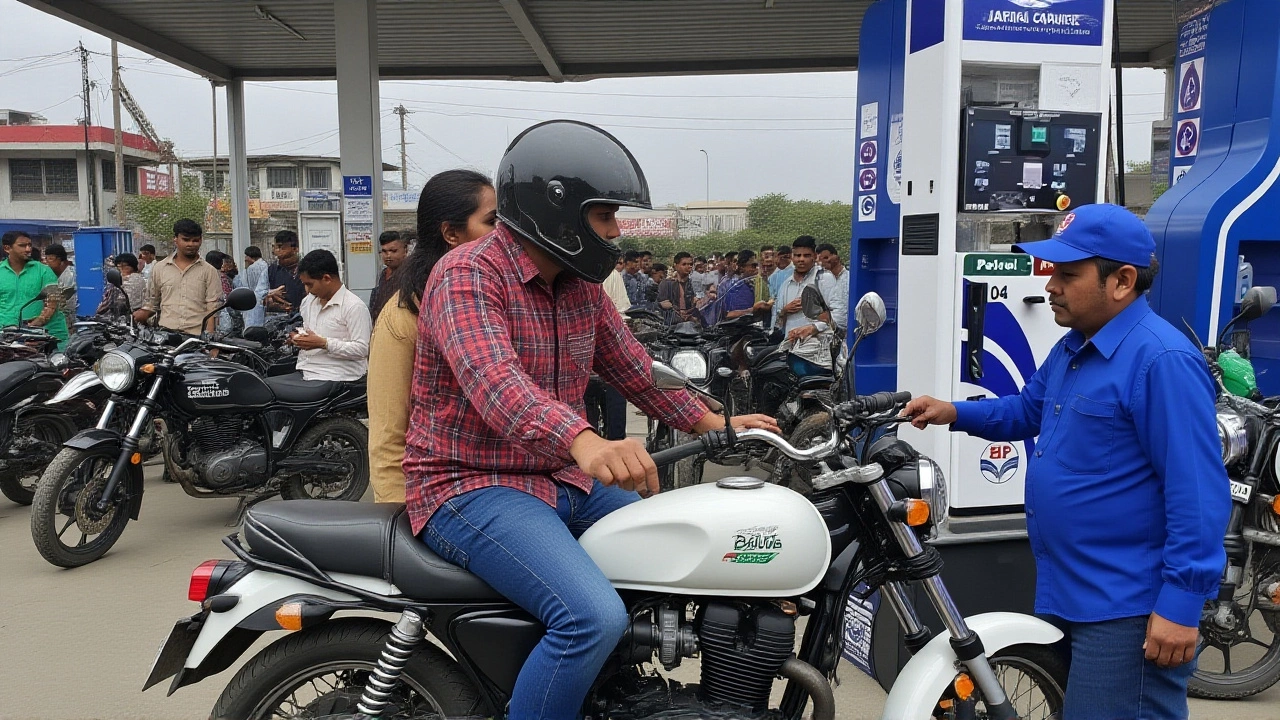
If you rely on a private vehicle, your monthly budget just got tighter. For commercial transporters, the margin for error has vanished. Logistics costs will inevitably rise, which usually trickles down to higher prices for groceries, electronics, and services. We’re looking at a broader inflationary wave triggered by energy costs.
Experts suggest keeping an eye on global crude benchmarks and currency exchange rates. If Brent crude stays above current levels, expect more adjustments. In the meantime, carpooling, public transit, or delaying non-essential travel might be prudent strategies. The era of stable fuel prices appears to be on pause, and adapting to this new volatility is the immediate challenge for every Indian consumer.
Frequently Asked Questions
How much have petrol and diesel prices increased in the last 10 days?
Between May 15 and May 25, petrol prices have risen by a cumulative ₹7.35 per liter, while diesel prices have increased by ₹7.82 per liter. This represents four separate hikes in just ten days, with the largest single jump occurring on May 25.
Why are fuel prices rising so frequently?
The primary drivers are soaring international crude oil prices and the depreciation of the Indian Rupee against the US Dollar. Since India imports most of its crude, a weaker rupee increases import costs, forcing oil marketing companies to raise retail prices to cover their expenses.
Are oil companies making a profit on these sales?
No, according to CRISIL, public sector oil companies are still facing significant under-recovery. They are losing approximately ₹10 per liter on petrol and ₹13 per liter on diesel, meaning the retail prices do not yet fully cover the cost of production and import.
Will prices continue to rise?
Industry experts and analysts warn that further increases are likely if global crude prices remain high and the rupee continues to weaken. The current under-recovery gap suggests that oil companies may need additional price adjustments to break even.
What is the current price of petrol in New Delhi?
As of the latest updates, petrol prices in New Delhi have crossed the ₹100 per liter mark. Diesel is priced at approximately ₹95.20 per liter. These figures reflect the cumulative impact of the four recent hikes.