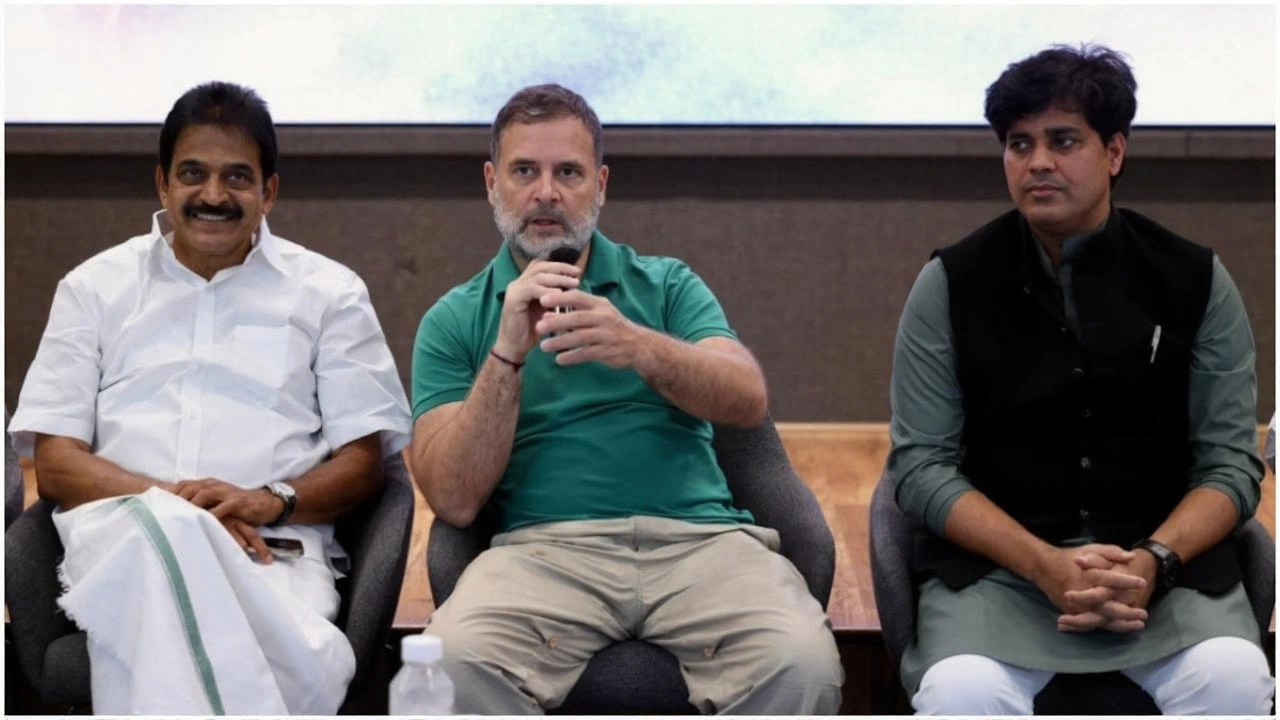
Political tensions in New Delhi reached a fever pitch on May 24, 2026, after Rahul Gandhi, Leader of the Opposition in the Lok Sabha and senior leader of the Indian National Congress, made a startling prediction. Speaking at an internal party meeting, he declared that Prime Minister Narendra Modi's government would not survive another year.
The statement, delivered at the Congress headquarters known as Indira Bhavan, wasn't just a casual remark. It was a direct challenge to the ruling Bharatiya Janata Party (BJP), citing rising inflation and shifting global economic conditions as the primary drivers for this predicted collapse. The reaction from the ruling party was immediate and fierce, with accusations of conspiracy and chaos flying across social media and news channels within hours.
A Bold Prediction Inside Indira Bhavan
Here’s the thing: political predictions are common, but setting a hard deadline is rare. During a Saturday meeting of the minority advisory council, Gandhi told fellow leaders that the writing was on the wall. He didn’t mince words. According to reports from Aaj Tak and Navbharat Times, he stated clearly that the Prime Minister's departure was "fixed" within the next 12 months.
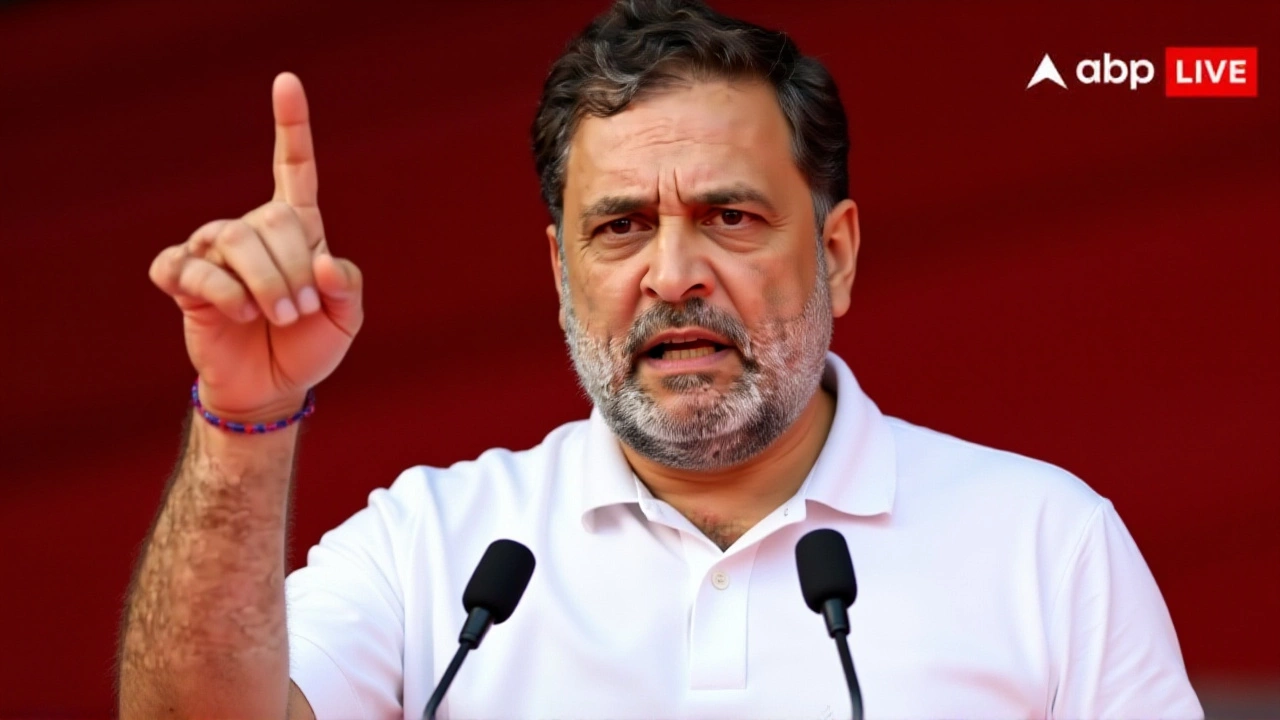
Gandhi’s argument rested on two main pillars. First, he pointed to deteriorating international economic conditions. Second, he highlighted growing domestic discontent driven by inflation. "The government will fall within the next one year," he reportedly said, adding that it simply wouldn't last longer than that. This wasn't a vague hope for change; it was a calculated forecast based on what he sees as undeniable economic pressures.
The setting mattered too. By making these comments in a closed-door advisory session focused on minority issues, Gandhi signaled that economic anxiety is cutting across demographic lines. It suggests the opposition believes the current economic narrative is failing to resonate with key voter blocs, regardless of their background.
BJP’s Sharp Counter-Attack
But wait—the BJP didn’t take this lying down. In fact, they went on the offensive immediately. Union Minister Piyush Goyal led the charge, accusing the Congress and the broader opposition alliance of plotting to spread anarchy and violence. Goyal’s response was stark: he framed Gandhi’s prediction not as political analysis, but as a malicious attempt to destabilize the country.
The rhetoric escalated quickly. Senior BJP leaders described Gandhi’s approach as part of a "big conspiracy" to create disorder. The language used was intense, with terms like "anarchy" and "chaos" dominating the discourse. This isn't just about disagreeing on policy; it's a fundamental clash over the legitimacy of the opposition's critique.
Then came the personal attacks. BJP MP Gaurav Bhatia took to broadcast media to deliver a scathing critique. He labeled Gandhi’s political strategy as a "toolkit model" that was destructive, anarchic, immature, and foolish. That’s harsh stuff. It shows how deeply personal and ideological this conflict has become, moving beyond standard political debate into character assassination.
Economic Context and Voter Sentiment
Why now? The timing is crucial. India has been grappling with complex economic headwinds. While macroeconomic indicators might show growth, the ground reality for many citizens involves higher prices for essentials. Gandhi is betting that this disconnect between official numbers and daily life is widening.
Global factors play a role too. Supply chain disruptions and fluctuating energy prices have impacted import costs, which directly feed into domestic inflation. If the government can't control these prices, public frustration tends to rise. Gandhi is essentially saying that the government’s ability to manage these external shocks is limited, and voters will notice.
This aligns with historical patterns where economic dissatisfaction leads to political turnover. Think back to previous election cycles where inflation was a top issue. When people feel the pinch at the grocery store, abstract promises of development often lose their appeal. Gandhi is trying to capitalize on that sentiment before the next major electoral test.
What This Means for Indian Politics
The ripple effects of this exchange are already visible. Social media platforms lit up with memes and counter-statements, polarizing opinion further. For the Congress party, this bold stance aims to reinvigorate its base and present itself as the credible alternative. For the BJP, it’s a chance to rally supporters around national stability and accuse the opposition of fear-mongering.
However, there’s a risk here. Making such a specific prediction puts Gandhi under pressure. If the government remains stable past the one-year mark, his credibility could suffer. Conversely, if economic conditions worsen significantly, his warning may gain traction. It’s a high-stakes gamble.
Analysts suggest that the coming months will be critical. Key economic data releases, particularly regarding inflation rates and employment figures, will be watched closely. These metrics will either validate or debunk Gandhi’s claims. Until then, the political temperature in New Delhi remains high.
Frequently Asked Questions
What exactly did Rahul Gandhi predict?
Rahul Gandhi predicted that Prime Minister Narendra Modi's government would fall within the next one year. He cited rising inflation, economic discontent among citizens, and changing international economic conditions as the primary reasons for this anticipated collapse.
How did the BJP respond to these claims?
The BJP responded aggressively. Union Minister Piyush Goyal accused the Congress of conspiring to spread anarchy and violence. Other leaders, including Gaurav Bhatia, criticized Gandhi's approach as destructive and immature, framing the prediction as an attempt to destabilize the nation rather than legitimate political criticism.
Where and when was this statement made?
The statement was made on May 24, 2026, during an internal meeting of the minority advisory council at the Indian National Congress headquarters, Indira Bhavan, in New Delhi. It was reported by multiple Hindi news outlets including Aaj Tak and Navbharat Times.
What are the economic factors behind this prediction?
Gandhi pointed to increasing inflation and economic dissatisfaction within India, exacerbated by shifting global economic conditions. The argument is that despite official growth figures, ordinary citizens are feeling the strain of rising prices, which could lead to significant voter backlash against the ruling party.
Is this a common tactic in Indian politics?
While predicting government falls is not uncommon, setting a specific one-year timeline is relatively rare and aggressive. It serves to heighten urgency and mobilize the opposition base, but also raises the stakes significantly if the prediction does not come true as stated.